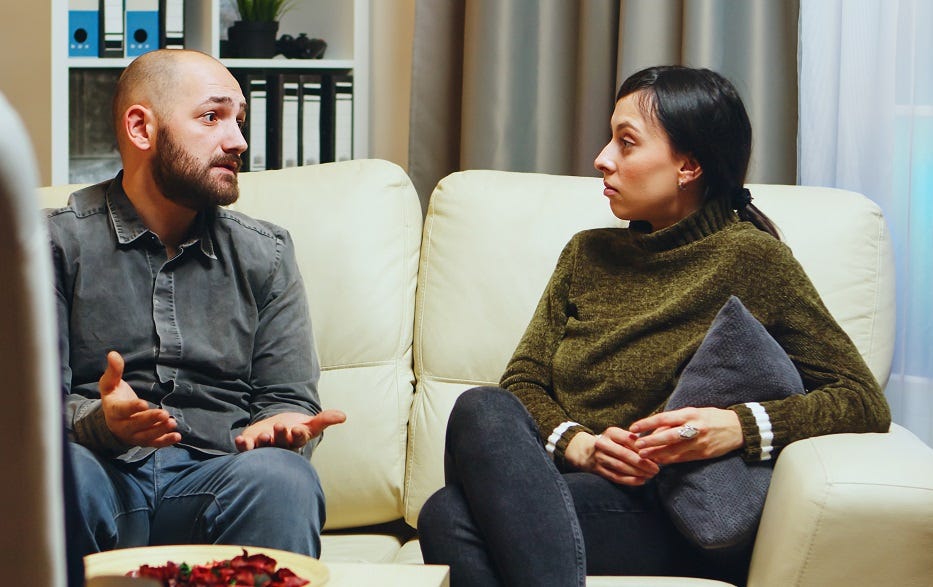
Valentines Day can bring out big feelings. It can also shine a spotlight on something many couples quietly struggle with.
One partner feels unloved.
The other partner feels misunderstood.
Because sometimes ADHD does not look like ADHD. It looks like not caring.
Not answering a text.
Forgetting the plan.
Saying yes, then not following through.
Zoning out mid conversation.
Being late again.
Starting with excitement, then dropping the ball.
If this pattern shows up, it hurts. Even when the love is real.
Let’s focus on closing the gap between intent and impact so both people can feel seen and supported.
The most important truth
Most people with ADHD care deeply. They often care so much that shame gets involved fast.
But caring is a feeling.
Relationships run on actions.
ADHD makes some actions harder, especially the ones that look like love in daily life:
- remembering in the moment
- shifting attention on demand
- starting tasks without pressure
- staying on track when distracted
- managing time realistically
- staying calm when emotions spike
- finishing what was started
These are executive function skills. They are trainable. But they usually do not improve with guilt, lectures, or trying harder at midnight.
Why it looks personal when it is not
When a brain struggles with executive function, the outside can look like attitude.
Here is what a partner might see
- “They forgot what matters to me.”
- “They do not listen.”
- “I am not a priority.”
- “They only show up when it benefits them.”
- “They are selfish.”
Here is what might be happening inside the ADHD brain
- Attention gets captured by whatever is loud, urgent, or new.
- Working memory drops details the moment something else enters the room.
- Time feels fuzzy until it is suddenly too late.
- Starting feels heavy without a clear cue.
- Emotions hit fast and loud, so the brain goes into defense mode.
- Shame shows up, and then avoidance takes over.
None of this excuses hurtful behavior. But it explains the pattern, so the couple can stop fighting the wrong enemy.
The enemy is not love. The enemy is the unmanaged system.
The relationship trap that keeps couples stuck
A common loop looks like this:
- A need is expressed.
- The ADHD partner genuinely agrees and wants to do better.
- Life gets busy. The plan lives in someone’s head.
- Follow through breaks.
- The non ADHD partner feels alone or rejected.
- The ADHD partner feels blamed and floods with shame.
- The next talk becomes a fight or a shutdown.
- Nothing changes, except resentment grows.
This is why couples start believing a painful story: “If you cared, you would.”
But with ADHD, caring does not automatically produce follow through. Systems do.
A kinder, more accurate reframe
Try this sentence:
“I believe you care. I also need a system I can trust.”
That one line does two powerful things:
- It protects the relationship from character attacks.
- It moves the conversation toward practical change.
If ADHD is in the relationship, try these three shifts
Shift 1: Stop relying on memory for love
Memory is not a moral test. It is a brain skill. And in ADHD, it is often inconsistent.
Instead, build in “external memory”:
- one shared calendar
- one shared notes list
- one reminder system
- one place where plans live
Not five apps. Not sticky notes everywhere. One simple home base.
Shift 2: Make love visible and tiny
Grand gestures are fun. But daily love is built in small moments.
Aim for tiny actions that are hard to miss:
- a two minute check in
- a specific compliment
- one completed task that matters to the partner
- a text that confirms the plan
Small and steady beats intense and occasional.
Shift 3: Use clear cues, not vague hopes
“Be more thoughtful” is too fuzzy.
Try: “By Thursday at 6, can you order the flowers and text me when it is done?”
Clarity is kindness for an ADHD brain.
When it keeps happening, it is time to train the skills
If ADHD is driving the same relationship pain over and over, it is not about trying harder. It is about strengthening executive function so follow through, emotional control, and attention become more reliable.
That is exactly what Play Attention is designed to do. It is NASA inspired technology backed by Tufts University research, built to strengthen executive function skills in daily life.
If this post hit home, a consultation can help map a clear next step. We can talk through what is showing up in the relationship, what skills are likely at the center of it, and what a practical plan could look like.
Schedule a Play Attention consultation and let’s build a plan that turns caring into consistent follow through.