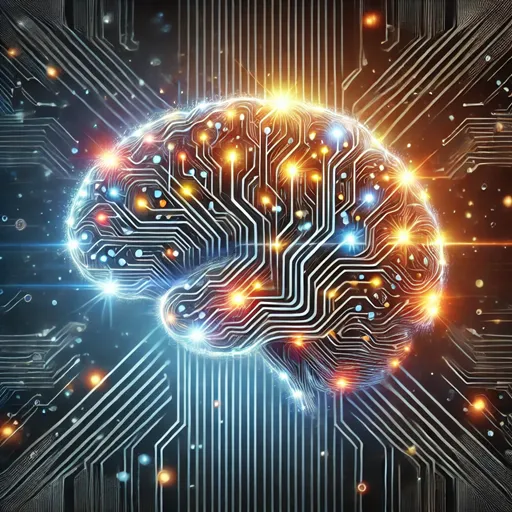
Have you ever heard someone say, “That’s just how my brain works — I can’t change it”? For people with ADHD, that might feel true. Trouble with focus, staying organized, remembering things, or managing emotions might seem like just “how it is.”
But here’s the good news:
Brains can change.
Even ADHD brains.
This change is called neuroplasticity — and it’s one of the most exciting discoveries in brain science.
What Is Neuroplasticity?
Let’s break it down.
“Neuro” means brain.
“Plasticity” means flexible or able to change.
So neuroplasticity means your brain is always learning and growing. Every time you learn something new, solve a problem, or practice a skill, your brain builds new connections between its cells. It’s like your brain is making a new path.
At first, that path might be rocky or hard to follow. But if you walk it over and over again — just like a trail in the woods — it gets easier. Stronger. Clearer.
That’s neuroplasticity at work.
Why This Matters for ADHD
People with ADHD often struggle with what we call executive function. These are the brain’s self-management skills. Things like:
- Focusing and staying on task
- Starting and finishing a project
- Controlling impulses
- Managing time
- Remembering instructions
The great news? These are trainable skills.
Just because something is hard today doesn’t mean it will always be hard. Thanks to neuroplasticity, your brain can get better at these things — with practice.
Training the ADHD Brain
So how do we use neuroplasticity to help the ADHD brain? Here are a few powerful tools:
- Daily routines: Brains love consistency. Doing the same helpful habit every day builds strong brain connections.
- Chunking big tasks into small steps: This helps reduce overwhelm and gives your brain lots of small wins.
- Visual reminders and charts: These help your brain stay on track, especially when working memory is tricky.
- Mindfulness activities: Being present — even for a few minutes — helps your brain build focus and calm.
- Rewards and reinforcement: ADHD brains are extra motivated by rewards. These help build positive habits faster.
And most importantly: practice. Your brain gets better with repetition, just like learning to ride a bike.
Play Attention: Neuroplasticity in Action
At Play Attention, we take neuroplasticity seriously. Our program is designed to help people with ADHD train their brains — at home or in a professional setting.
Here’s how it works:
- You wear the BodyWave armband, a NASA-inspired device that tracks your attention.
- You control the games and cognitive exercises with your mind (attention) alone.
- You train skills like focus, memory, impulse control, and task completion — skills that matter in real life.
- The program adapts to you using Sheer Genius™ AI, and you’re guided by your own personal Focus Coach every step of the way.
This is what it looks like to use neuroplasticity to build real-life skills.
Backed by Tufts University research, Play Attention helps both kids and adults build habits that last — because the brain is learning, not just trying to cope.
You’re Not Stuck
If you or someone you love has ADHD, remember this:
Your brain is not broken. Your brain is ready to grow.
Thanks to neuroplasticity, you can learn to focus better, stay organized, and handle challenges in a whole new way.
Play Attention is here to help. Schedule your 1:1 Consultation