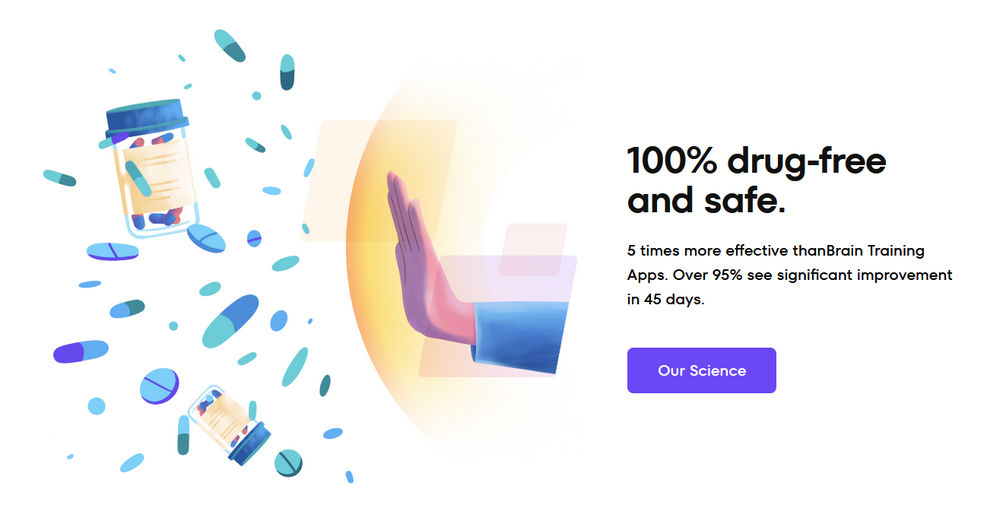
Play Attention and ADHD medications serve different purposes, and their effectiveness can vary based on individual needs. Let’s explore the differences:
- Play Attention:
- Purpose: Play Attention is a computer-based attention-training system designed to enhance cognitive abilities and attention skills in individuals with ADHD.
- Method: Users wear an armband that measures brain activity and provides visual and auditory feedback. The program includes engaging activities to build attention stamina, improve memory, and regulate emotions12.
- Training: Users participate in weekly sessions, focusing consistently to advance through exercises. It’s a long-term commitment, typically requiring 40-60 hours of gameplay3.
- Coaching: Parents or caregivers receive training on how to be effective coaches during the program3.
- Potential Benefits: Some users have reported reduced reliance on medication or staying on lower doses while using Play Attention3.
- ADHD Medications:
- Purpose: Medications aim to manage ADHD symptoms by altering neurotransmitter activity in the brain.
- Types: Common medications include stimulants (e.g., methylphenidate, amphetamine) and non-stimulants (e.g., atomoxetine, guanfacine).
- Effectiveness: Medications can provide rapid symptom relief, improving focus, attention, and impulse control.
- Considerations:
- Side Effects: Medications may have side effects (e.g., insomnia, appetite changes).
- Individual Response: Responses vary; some find significant improvement, while others experience minimal benefit.
- Maintenance: Medications require ongoing use to maintain effects.
- Consultation: Always consult a healthcare provider for personalized recommendations.
- Combining Both:
- Some individuals use a combination of Play Attention and medication for comprehensive ADHD management.
- Personalized Approach: The best approach depends on individual preferences, severity of symptoms, and specific needs.
In summary, Play Attention offers an alternative to medication, emphasizing cognitive training and behavior interventions. Medications provide rapid relief but come with potential side effects. Consulting a healthcare professional is crucial to determine the most effective strategy for each person’s unique situation.
[brb_collection id=”322″]
[site_reviews_summary theme=”517″]
[site_reviews theme=”517″ form=”371″]
[site_reviews_form theme=”517″ form=”371″]